
 Dec 19, 2025
 3 min read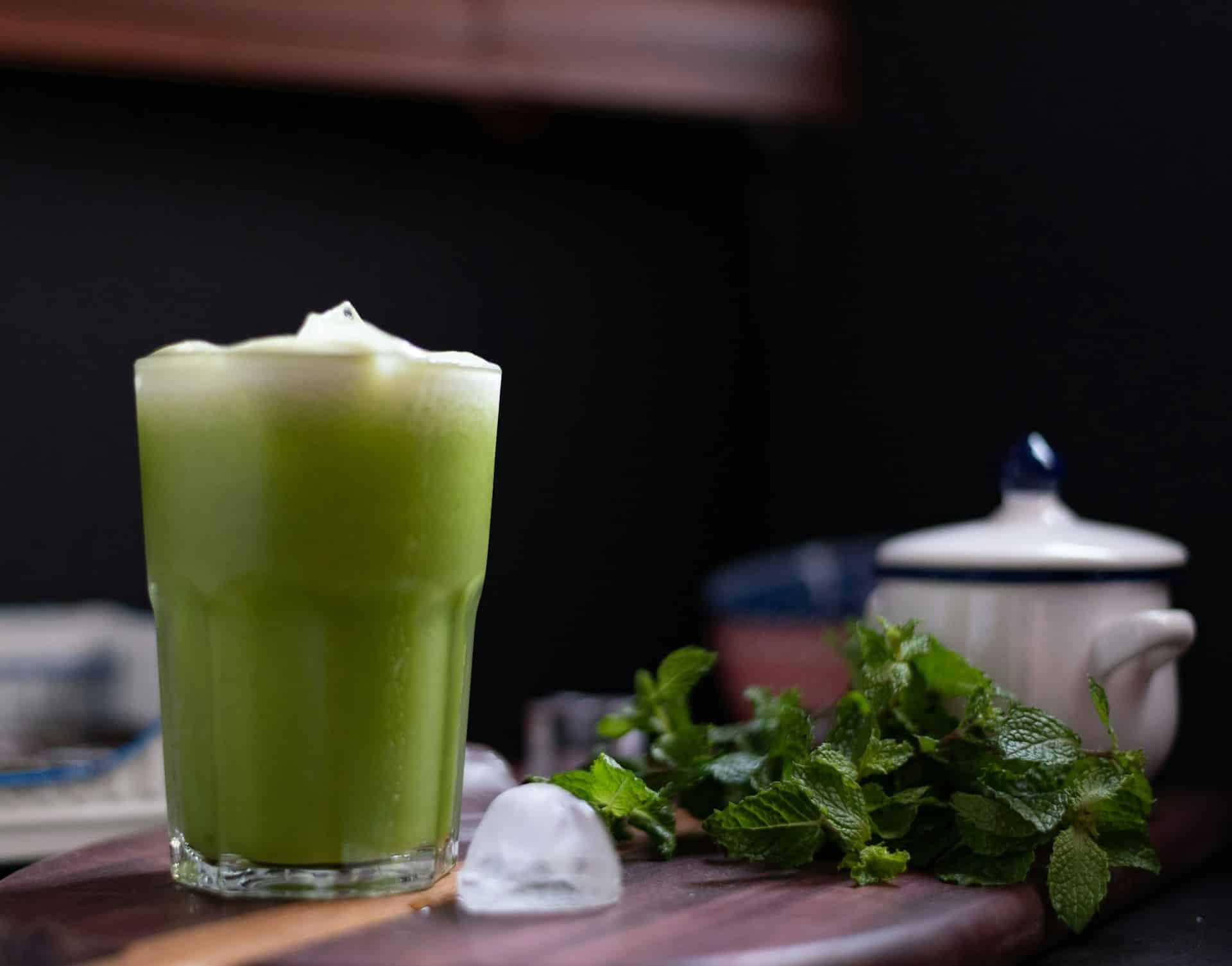
While juice cleanses can increase vitamin intake and relax the digestive tract, they can remove fiber, which allows the body to absorb sugar more quickly.
January is prime detox season, but too many juice cleanses and limiting resets do more harm than good.Health experts explain how a nutrient-dense, balanced approach, focusing on whole foods, hydration, and mindful eating can help Americans reset after the holidays without fad diets.
Detox A juice cleanse is a short-term diet in which you drink only "juiced" fruit and vegetable juices to "detox," reset eating habits, and lose weight.But according to Scripps Health, the Cleveland Clinic and the Mayo Clinic, juice cleanses may lack fiber, protein and adequate nutrients, which can lead to increased blood sugar and a slower metabolism.While juicing can increase your vitamin intake and relax your digestive system, it can remove beneficial fiber, causing your body to absorb sugar quickly and potentially leading to an energy crash.
structure
- Liquid diet: For a few days to a few weeks, you drink only freshly squeezed juices from fruits and vegetables (bananas, spinach, cucumbers, beets, apples, pineapples, etc.), sometimes nut milks or tonics.
- Claims: Bidders claim to eliminate toxins, help digestion, boost immunity and accelerate weight loss.
Potential disadvantages and risks
- Lack of fiber: Juicing removes fiber, which is crucial for digestion and satiety, leading to faster absorption of sugar.
- High blood sugar: Can cause blood sugar levels to rise and fall, leading to fatigue and insulin interference.
- Nutritional deficiencies: not enough protein, healthy fats and calories, which slows metabolism.
- Weight regain: Weight loss is usually regained quickly after you resume eating.
- Whole foods: Focus on a balanced diet with lots of fruits, vegetables, lean proteins and healthy fats;Eat the rain.
- Beat: use a blender to make smoothies, which keep the fibers intact.
- Listen to your body: Instead of restrictive cleansing, focus on hydration, nutrient-dense foods, and gentle exercise for long-term health.
Detox or not after vacation?What do experts recommend for a healthy start to the year?
Every January, the headlines are filled with advice about juice cleanses, detox teas, and extreme reset diets.But while these trends dominate the New Year's conversation, health experts warn that extreme detoxes offer little to no long-term benefit.
This wellness expert believes that a healthy approach is to eat a nutrient-dense, balanced diet rather than a temporary cleanse."The idea that your body needs a basic 'reset' after the holidays is largely a myth.""Instead, focusing on whole foods, proper hydration, and consistent habits is more effective and sustainable."
Napa Post-Holiday Detox Ora Tansa Healthy
Common detoxification strategies often include:
Juice cleanse – Cutting out solid foods for a few days can lead to nutrient deficiencies and blood sugar imbalance.
- Detox teas or supplements - Many may promise rapid weight loss or removal of toxins, but evidence is limited and potential side effects exist
- Extreme single-food diets - diets that rely on one ingredient (such as cabbage soup or lemon water cleanses) can lead to micronutrient deficiencies and metabolic stress.
- Too strict "morning only reset" - Some plans recommend skipping breakfast or fasting until noon, citing "Overnight Cleanses" Although fasting can be beneficial when done safely, But harsh time limits often backfire. This causes energy crashes, irritability, and overeating later.
"Your liver and kidneys are already great at detoxifying your body," Amy explains."You don't need a fad diet to do what your body does naturally."
A healthier approach: Reset with whole foods
Emmy recommends a gentle, evidence-based approach to post-holiday eating.
- Increase your intake of vegetables and fruits – these contain a lot of fiber, vitamins and antioxidants, supporting digestion and the feeling of satiety.
- Include lean proteins and whole grains - stabilizes blood sugar and helps maintain energy.
- Hydration - Water, herbal teas and soups aid digestion.
- Focus on a balanced diet - consistent small adjustments that overcome short-term extreme adjustments.
- Eat carefully - Pay attention to hunger cues and portions, not "detox rules".
"After the holidays, many people feel sluggish or overwhelmed and want a quick fix. The problem is that extreme cleanses or fad diets offer temporary results at best and sometimes lead to nutrient depletion or food rebound."
“A practical reset involves returning to nutrient-dense, balanced meals with an emphasis on vegetables, lean protein and whole grains, while managing hydration and sleep.It's about restoring habits, not punishing the body.This approach supports energy, mood and digestion without restrictive diets or tricks."
By prioritizing whole foods, mindful eating, and consistent routines, you can start the year strong and establish lasting habits that last well beyond January, says Amy Clinton, wellness expert from All Over America.
This article was produced by WHN Newsroom in collaboration with Leah Daly on behalf of Whole Emmy, a health-focused food creator who creates and tests each recipe herself.She has been diagnosed with Celiac disease and uses her personal experience to create gluten- and sugar-free recipes.Her professional knowledge of cooking and nutrition makes her an expert guide to balanced, nutritious food.
As with anything you read online, this article should not be interpreted as medical advice;please consult your doctor or primary care provider before changing your medical regimen.WHN does not endorse or support any content posted.This article is not intended to provide diagnosis, advice, treatment, or medical support.It is not intended to harm any religion, race, club, organization, company, individual, or person.or do bad things.These claims have not been reviewed by the Food and Drug Administration.