 Jul 20, 2025
 3 min read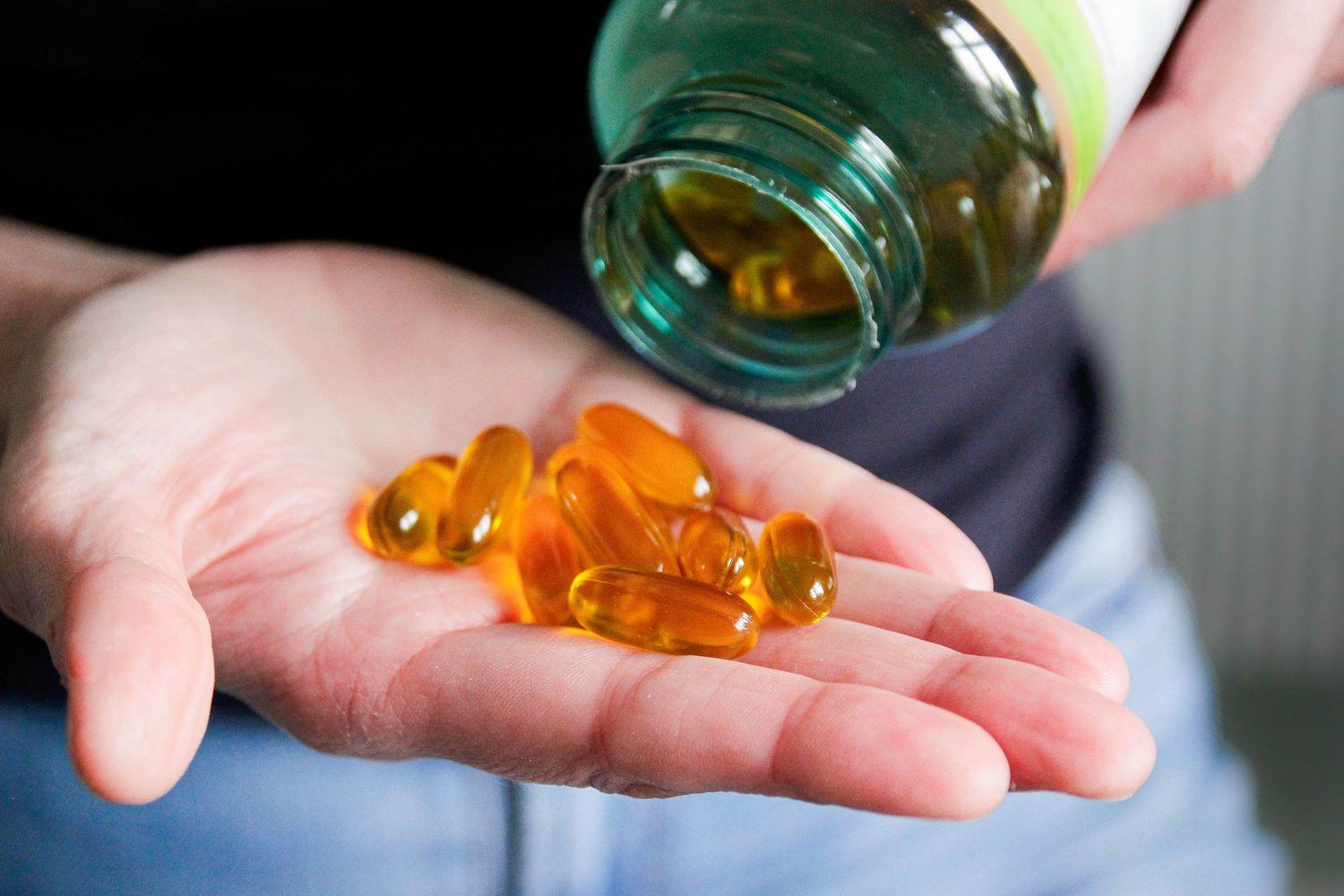
Discover how vitamin D supplements can affect your blood pressure, which can benefit the most and how safe it is - especially if you have low vitamin D.
What Happens to Your Blood Pressure When You Take Vitamin D Supplements By Morgan Pearson, MS, RD Published on July 14, 2025 Vitamin D supplements could help lower blood pressure in people with a vitamin D deficiency. Kinga Krzeminska / Getty Images Vitamin D is important for many parts of your health, including your bones, immune system, and muscles. Some studies show that taking vitamin D supplements daily may help lower blood pressure, too. What Does the Research Say? The research on how vitamin D supplements impact blood pressure is mixed. Some research has found that people with low levels of vitamin D tend to have higher blood pressure. But when researchers look at what happens when people take vitamin D supplements regularly, the results are mixed. Some studies show a small benefit, while others show no change at all. What seems most promising is that vitamin D might help lower blood pressure if you already have high blood pressure and low vitamin D levels to begin with. In these cases, the supplement may offer a small boost in managing blood pressure. But even then, the blood pressure-lowering effect isn’t guaranteed. Older adults who are both low in vitamin D and have high blood pressure may benefit the most. For them, taking vitamin D may help improve blood pressure as part of an overall plan that includes a healthy diet, exercise, and possibly medication. How Much Vitamin D Should You Take? There’s no one-size-fits-all answer to how much vitamin D you should take to lower blood pressure. In research studies, the dose of vitamin D has ranged from 800 to 4,000 IU (international units) per day. Interestingly, higher doses don’t always lead to better results for blood pressure. Here are the general daily recommendations: Infants (0–12 months): 400 IU per dayChildren and adults (1–70 years): 600 IU per dayAdults over 70: 800 IU per day Some people may need more, especially if they’re at higher risk of vitamin D deficiency. This includes people with limited sun exposure, darker skin, certain health conditions, or older age. Many experts recommend around 1,000–2,000 IU per day for these groups. If you’re unsure how much you need, talk to your doctor. They may order a simple blood test to check your vitamin D level. Related Stories What Happens to Your Period Cramps When You Take Magnesium What Happens to Your Body When You Take Turmeric and Fish Oil Together Is It Safe to Take Vitamin D Every Day? Most people can safely take vitamin D every day at the recommended amounts. But it is possible to take too much, especially if you’re using high-dose supplements for a long time. Taking too much vitamin D can lead to a condition called vitamin D toxicity. This can cause high levels of calcium in your blood, which may lead to: Nausea or vomitingFatigue or weaknessConfusionIrregular heartbeatKidney problems in severe cases To avoid this, stick with the daily recommendation for your age, and don’t exceed the safe upper limit of 4,000 IU per day unless your healthcare provider tells you otherwise. What This Means For You Vitamin D might help lower blood pressure, but mostly in people who are both vitamin D deficient and already have high blood pressure. It’s not guaranteed, and it’s not a replacement for medication, a healthy diet, or regular exercise. Read more: Prevention & Treatment Supplements Dietary Supplements 10 Sources Verywell Health uses only high-quality sources, including peer-reviewed studies, to support the facts within our articles. Read our editorial process to learn more about how we fact-check and keep our content accurate, reliable, and trustworthy. Meng R, Radkhah N, Ghalichi F, et al. The impact of vitamin D supplementation on improving blood pressure: evidence obtained from an umbrella meta-analysis. Clin Ther. 2023;45(10):e208-e216. doi:10.1016/j.clinthera.2023.07.020 Jiang L, Sun YQ, Denos M, et al. Serum vitamin D, blood pressure and hypertension risk in the HUNT study using observational and Mendelian randomization approaches. Sci Rep. 2024;14(1):14312. doi:10.1038/s41598-024-64649-6 Chen S, Gemelga G, Yeghiazarians Y. Is vitamin D supplementation an effective treatment for hypertension?. Curr Hypertens Rep. 2022;24(10):445-453. doi:10.1007/s11906-022-01204-6 Jensen NS, Wehland M, Wise PM, Grimm D. Latest knowledge on the role of vitamin D in hypertension. Int J Mol Sci. 2023;24(5):4679. doi:10.3390/ijms24054679 Beveridge LA, Struthers AD, Khan F, et al. Effect of vitamin D supplementation on blood pressure: a systematic review and meta-analysis incorporating individual patient data. JAMA Intern Med. 2015;175(5):745-754. doi:10.1001/jamainternmed.2015.0237 Serra MO, de Macedo LR, Silva M, Lautner RQ. Effect of vitamin D supplementation on blood pressure in hypertensive individuals with hypovitaminosis D: a systematic review and meta-analysis. J Hypertens. 2024;42(4):594-604. doi:10.1097/HJH.0000000000003646 Abderhalden LA, Meyer S, Dawson-Hughes B, et al. Effect of daily 2000 IU versus 800 IU vitamin D on blood pressure among adults age 60 years and older: a randomized clinical trial. Am J Clin Nutr. 2020;112(3):527-537. doi:10.1093/ajcn/nqaa145 National Institutes of Health Office of Dietary Supplements. Vitamin D. Demay MB, Pittas AG, Bikle DD, et al. Vitamin D for the prevention of disease: an Endocrine Society clinical practice guideline. J Clin Endocrinol Metab. 2024;109(8):1907-1947. doi:10.1210/clinem/dgae290 Allen LH. Micronutrients—assessment, requirements, deficiencies, and interventions. N Engl J Med. 2025;392(10):1006-1016. doi:10.1056/NEJMra2314150 By Morgan Pearson, MS, RD Morgan Pearson is a registered dietitian and health writer with expertise in nutrition, mental health, and fitness. She has several years of experience developing evidence-based health content and enjoys translating complex research into accessible, engaging information. See Our Editorial Process Meet Our Medical Expert Board Share Feedback Was this page helpful? Thanks for your feedback! What is your feedback? Helpful Report an Error Other Submit